Custom skincare formulator
Choose from 48 researched skincare actives. Pick the ones you want for your skin goals — we auto-select the right carrier oil or water base for each one, keep the whole formula clean (nothing from the avoid list), flag anything that shouldn't mix, and tell you when to use it. Tied to FDA and Health Canada guidance.
Cosmetic personal-care information for education only — not medical advice and not a medical device. Patch-test new actives, introduce them one at a time, use daily SPF, and see a dermatologist for any skin condition. Drug-strength and prescription actives are never custom-mixed; they route to a consult.
Skin photo analysis
OptionalAnalyze my skin
Upload a few photos and we'll estimate your skin type and top concerns, then recommend actives — or self-assess with the checklist. Cosmetic estimates only, never a diagnosis.
Analyze my skin
Upload a few photos and we'll estimate your skin type and top concerns, then recommend actives — or self-assess with the checklist. Cosmetic estimates only, never a diagnosis.
How to take good skin photos
- Use diffuse natural daylight: Face a window in soft, indirect daylight. Avoid harsh direct sun, colored/LED tints, overhead shadows and mixed light sources — they skew redness and tone reads.
- Start with clean, bare skin: No makeup, no sunscreen, no filters or beauty mode. Gently blot only after a normal day — do not pre-wash right before, since washing skews oiliness.
- Prefer the rear camera: The rear camera is usually sharper than the selfie cam. Hold the lens ~25–40 cm away, tap to focus, and keep the lens clean.
- Capture three angles: Take front, left 3/4 and right 3/4 photos so cheeks, jaw and temples are all covered.
- Frame the face fully: Fill the frame with your face, keep a neutral expression, pull hair back and remove glasses.
- Use a plain background: Stand against a plain, neutral wall. Strong color casts in the background skew redness and tone reads.
- No filters, no zoom, no flash: Flash flattens texture and blows out shine; zoom and filters distort detail. Capture the photo as-is.
- Keep it consistent for tracking: For valid before/after comparisons, use the same lighting, distance and time of day at every visit.
- Know the limits (bias disclosure): Accuracy is lower on under-represented skin tones and in poor light. We always show a confidence score and never present a diagnosis.
What are you noticing?
Round out your routineA full AM/PM regimen for A complete daily routine
A balanced, dermatologist-style core routine that works for most skin: cleanse, treat with your custom formula, hydrate, moisturize, and protect — the foundation every concern builds on.
Morning
- Cleanse
Splash with water or use a low-pH gentle cleanser to refresh skin without stripping it.
Gentle Gel Cleanser(ours) - Antioxidant
A vitamin C + ferulic serum is the gold-standard daytime antioxidant for protection and a brighter tone.
Vitamin C + Ferulic Serum(ours) - Treat
Your custom formula from the builder slots in here, tuned to whatever you most want to work on.
Your custom formula— from the builder above - Moisturize
Seal everything in with a ceramide-rich barrier moisturizer to lock in hydration and comfort.
Barrier-Repair Moisturizer(ours) - Protect
Finish every morning with our broad-spectrum mineral SPF 30+ as the last step — it's the single most important anti-aging and anti-discoloration move.
Mineral SPF 30–50(ours)
Night
- Cleanse
Wash away the day's sunscreen, oil, and grime with a low-pH gentle cleanser.
Gentle Gel Cleanser(ours) - Hydrate
Press in a watery humectant essence to plump skin and prep it to absorb the steps that follow.
Balancing Essence(ours) - Treat
Apply your custom formula here — at night skin is in repair mode and absorbs actives well.
Your custom formula— from the builder above - Moisturize
Seal everything in with a ceramide-rich barrier moisturizer to lock in hydration and comfort.
Barrier-Repair Moisturizer(ours)
Tips to make it work
- Keep it simple and consistent — a routine you actually follow beats a complicated one you skip.
- Introduce one new active at a time so you can tell what's helping (or irritating).
- Wear a broad-spectrum SPF 30+ every day; it's the highest-impact step in any routine.
- Patch-test new products on the jaw for a few days before full-face use.
A suggested routine, not medical advice — patch-test, introduce one active at a time, and wear SPF daily.
See a dermatologist in person if you notice
- ABCDE mole signs / suspicious lesion. Asymmetry, Border irregularity, Color variation, Diameter >6 mm, or an Evolving lesion; the 'ugly-duckling' mole, or any new mole after age 30. Suspected melanoma always needs in-person evaluation — never AI-diagnosed. Always in person.
- Bleeding, oozing or non-healing sore. Bleeding, oozing, crusting, a sore that will not heal, or rapid growth of a lesion — route to in-person care. Always in person.
- Suspected infection or severe/cystic acne. Spreading redness, pus, warmth or fever; severe/cystic/nodular acne; or a rapidly worsening rash. Refer to a provider rather than treating cosmetically.
- Drug-strength / Rx active requested. User requests a drug-strength active (tretinoin, hydroquinone, prescription benzoyl peroxide, oral isotretinoin). XyberHealth references but never dispenses these — route to consult.
- Pregnancy/breastfeeding + retinoid or high-% acid. Pregnant or breastfeeding user requesting a retinoid or high-percentage acid → route to consult; offer bakuchiol as a pregnancy-considered alternative pending provider sign-off.
- Unusable photo or low confidence on a flagged concern. Photo remains unusable after retries (imageQuality.usable = false), or analysis confidence falls below threshold on a flagged concern. Prompt a re-shoot, and route to consult rather than guessing.
Goal
What you want for your skin. Filter the actives to an outcome — acne, anti-aging, hydration, redness. Pick as many as you like, or leave on "All" to browse everything.
Type
What kind of active to browse. Narrow by class — retinoids, vitamin C, acids, hydrators, peptides. Switch anytime; leave on "Any" to see every class.
48 actives

glyoxyldiureide
A gentle skin-soothing and conditioning agent that helps comfort the look of irritation and, at low levels, mildly smooths rough surface texture for a softer complexion.
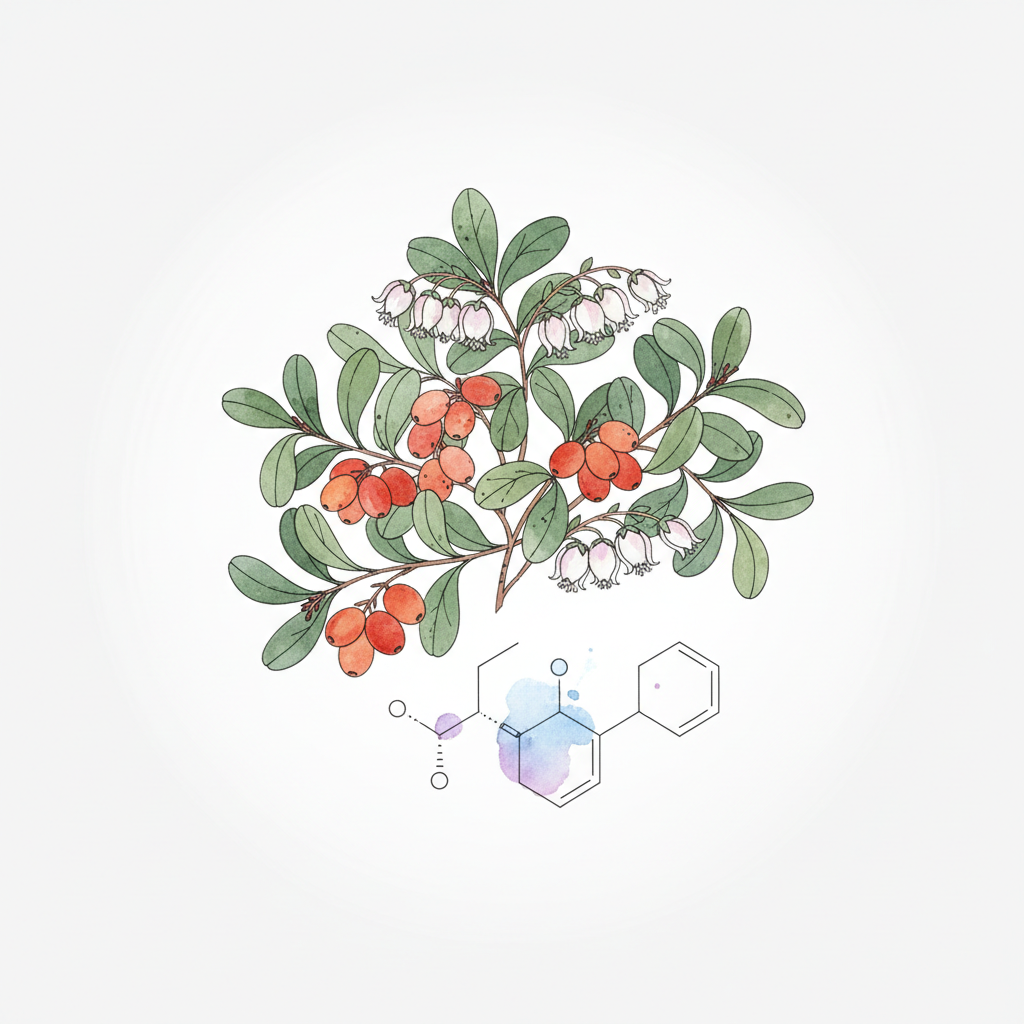
arbutin
A tyrosinase-inhibiting brightening active with a gentler safety profile than hydroquinone; helps visibly even tone and fade the look of dark spots. Water-soluble.

nonanedioic acid
A naturally occurring dicarboxylic acid that calms the look of redness and visibly evens tone and blemish-prone texture. At cosmetic levels (~10%) it is a custom-formula active; at 15–20% drug strength it is routed to consult.

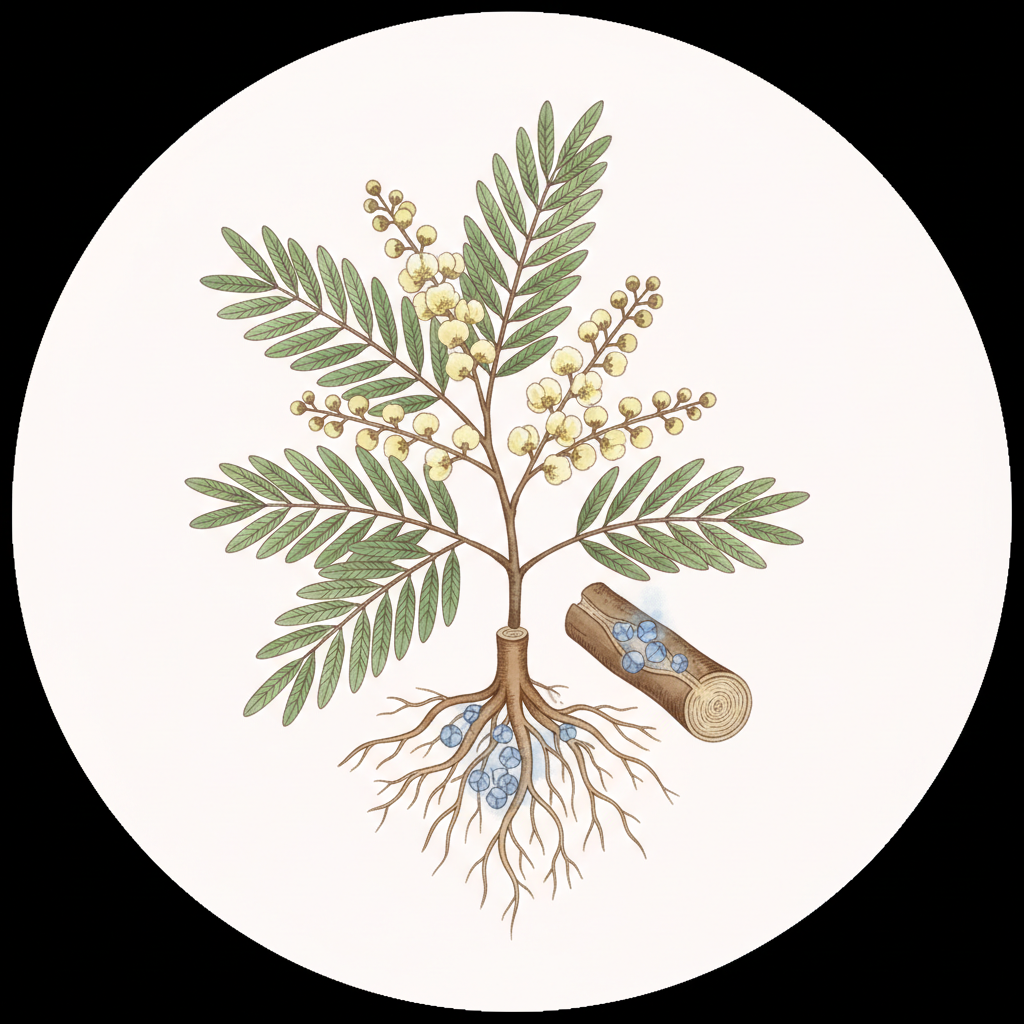
Psoralea corylifolia extract
Plant-derived, non-retinoid active studied as a gentler 'retinol-like' option that supports a smoother, more even-toned appearance with less of the visible irritation retinoids can cause. Oil-soluble and stable enough for AM or PM use; layers well with vitamin C.

oat beta-glucan, yeast beta-glucan
A film-forming humectant that holds water at the surface and helps soothe and comfort the look of stressed, reactive skin, supporting a calm, hydrated complexion. Water-soluble.

alpha-bisabolol, chamomile extract
An anti-irritant derived from chamomile that helps calm the look of redness and reactivity, supporting a soothed, even-toned complexion. Oil-soluble.
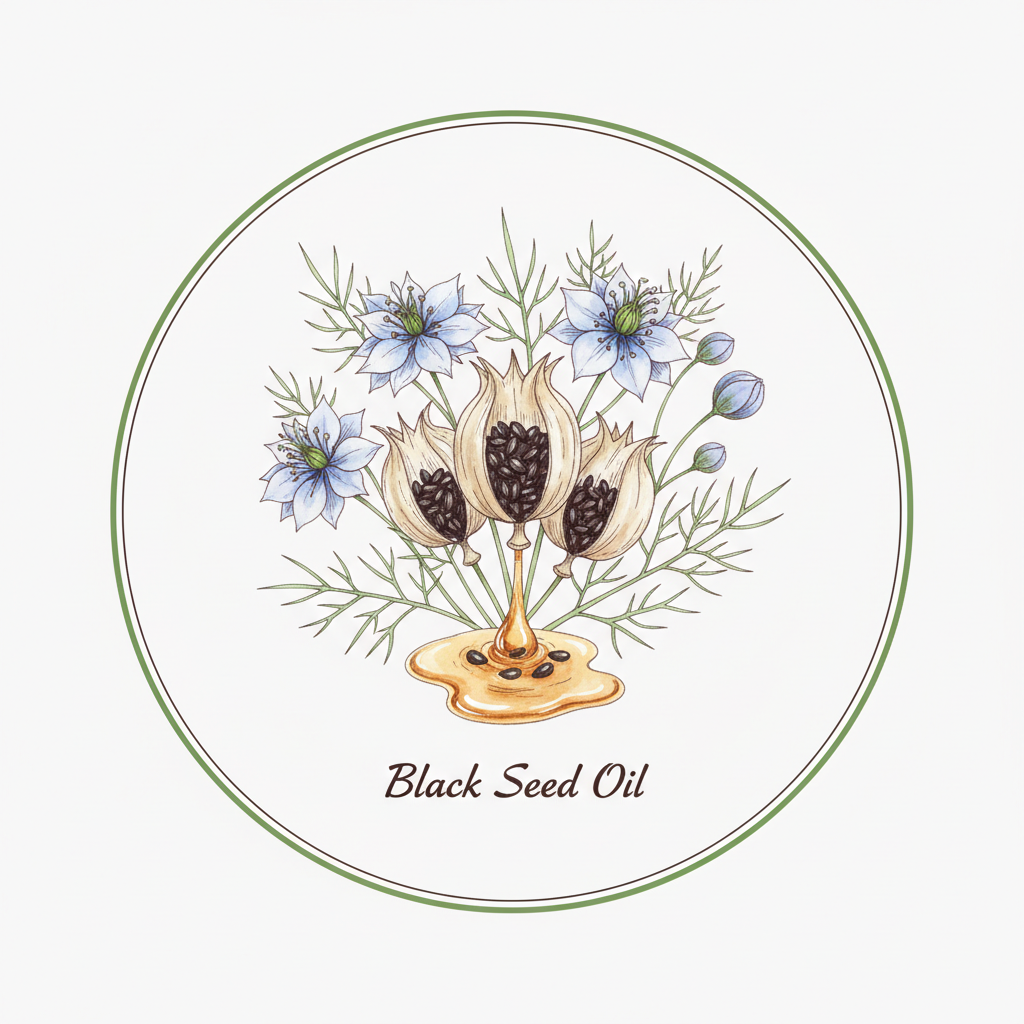
Nigella sativa seed oil, black cumin seed oil, kalonji oil
A thymoquinone-rich plant oil with antioxidant and soothing properties, used in a lipid base to help calm the look of blemish-prone, irritated, and dry, eczema-prone skin. Oil-soluble; best diluted in a stable carrier such as squalane or jojoba.

caffeine anhydrous
An antioxidant with a mild vasoconstricting, de-puffing cosmetic effect, commonly used in eye-area formulas to reduce the look of under-eye puffiness and tired, shadowed skin. Water-soluble.

cica, madecassoside, Centella extract
A botanical 'cica' extract rich in madecassoside that helps calm the look of redness and support the skin barrier, giving a soothed, comfortable complexion. Water-soluble extract.

ceramide NP, ceramide AP, ceramide EOP
The core barrier-repair lipids; in the classic ceramide:cholesterol:fatty-acid ~3:1:1 ratio they help reinforce the skin barrier and reduce water loss for a stronger, more resilient, comfortable-feeling complexion. Lipid-phase.

plant antioxidant
A plant-derived antioxidant that stabilizes and boosts the antioxidant performance of vitamins C and E, reinforcing a formula's ability to defend the look of skin against environmental stress. Works best in a low-pH base.

copper tripeptide-1, copper peptide
A copper-bound tripeptide used to support the look of firmer, more resilient, smoother skin. Because it is a copper complex, a low-pH or strong-acid environment can disrupt the copper bond — keep it away from L-ascorbic acid and strong acids in the same formula.

glycerol, glycerine
The workhorse humectant — draws and holds water in the upper skin layers for a soft, supple, well-hydrated look, and pairs with essentially every other active. Water-soluble and extremely well tolerated.

AHA, alpha hydroxy acid
The smallest alpha-hydroxy acid, so it penetrates readily and visibly smooths texture and brightens dull, uneven-looking skin. Water-soluble; increases sun sensitivity, so daily SPF is essential.
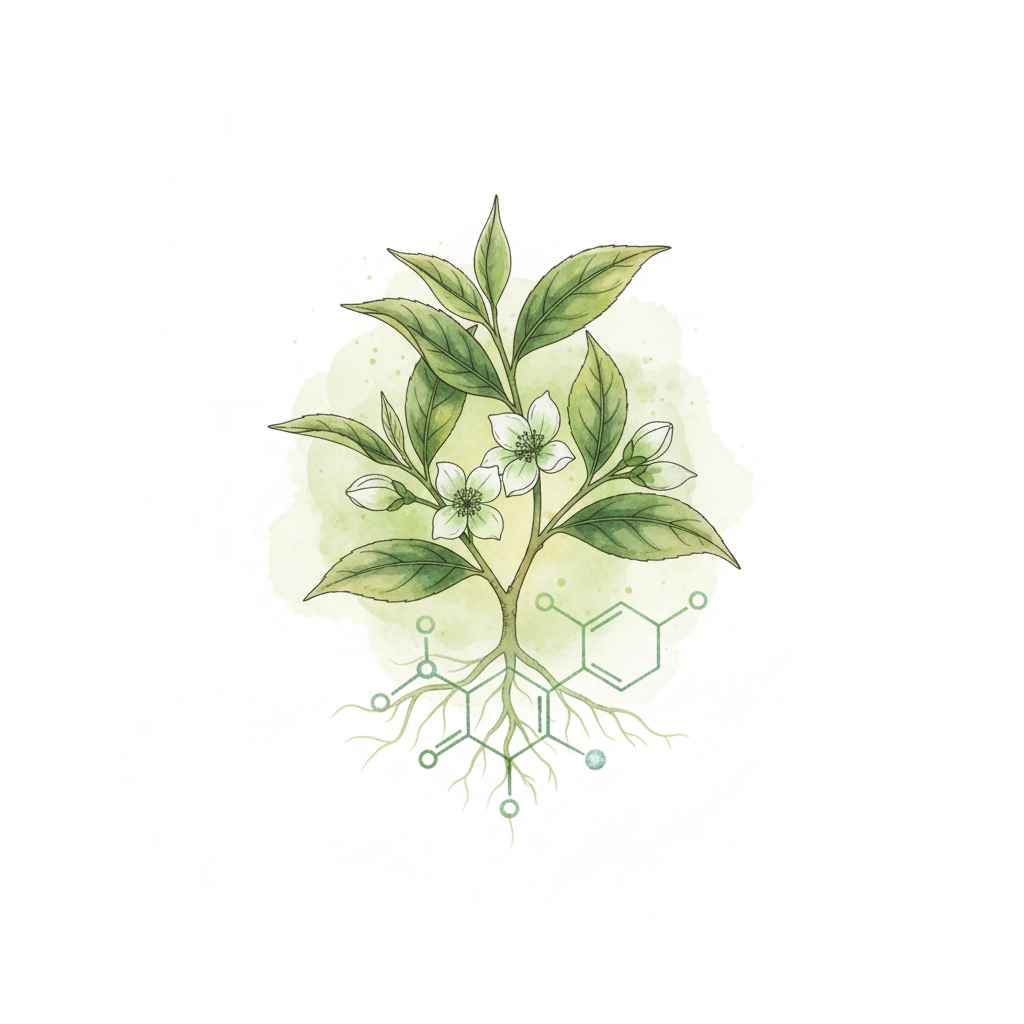
Camellia sinensis extract, epigallocatechin gallate
A polyphenol-rich botanical antioxidant that helps defend the look of skin against environmental stress and visibly calms oily, blemish-prone complexions.

sodium hyaluronate, multi-MW HA
A humectant that binds water at the skin surface for an immediately plumper, dewier look; multi-molecular-weight blends hydrate at several depths. Needs a water phase and an occlusive on top in dry air, or it can wick moisture out of skin.

kojic
A potent tyrosinase-inhibiting brightener that helps visibly even tone and fade the look of discoloration; capped at the OTC limit of ~1% because higher levels carry irritation and sensitization risk. Water-soluble.
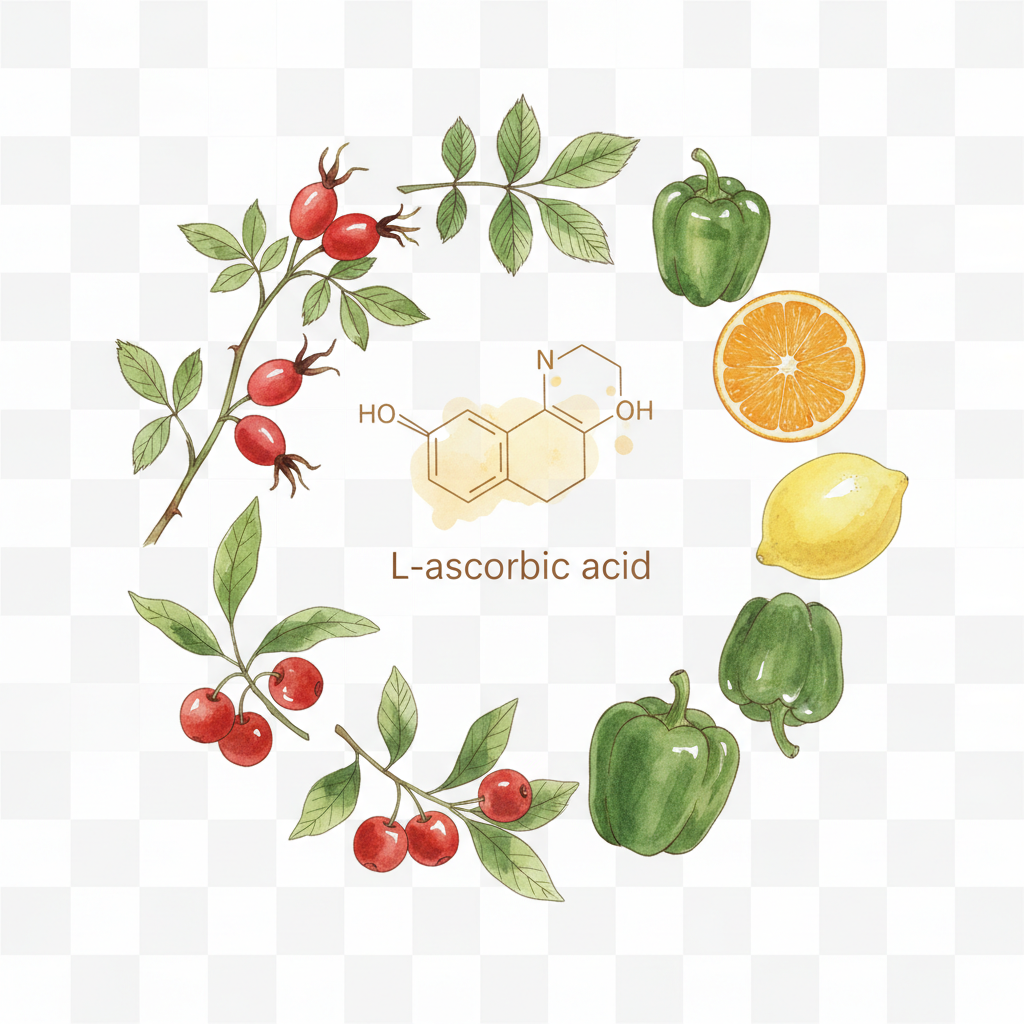
LAA, vitamin C, ascorbic acid
The gold-standard antioxidant form of vitamin C; supports a brighter, more even-toned and firmer-looking complexion and helps defend the look of skin against daily environmental stress. Water-soluble and needs a low-pH base (not an oil); pairs classically with vitamin E + ferulic acid. Best worn AM under SPF.

AHA, alpha hydroxy acid
A gentler alpha-hydroxy acid that exfoliates the surface while also acting as a humectant, so it smooths and brightens the look of skin with less of the tightness stronger acids can cause. Water-soluble; daily SPF advised.

MAP, vitamin C derivative
A water-soluble, pH-flexible vitamin C derivative that is gentler than pure ascorbic acid, supporting a brighter, more even-looking tone — a good choice for sensitive skin that cannot tolerate low-pH vitamin C.

AHA, alpha hydroxy acid
The largest, slowest-penetrating alpha-hydroxy acid, which makes it the gentlest AHA — a good fit for sensitive and deeper skin tones to even texture and brighten the look of tone with low irritation risk. Water-soluble; daily SPF advised.

palmitoyl pentapeptide-4, Matrixyl 3000
A signal peptide marketed to support the look of firmer, smoother skin and a reduction in the appearance of fine lines by encouraging the skin's own matrix-conditioning activity. Water-soluble; well tolerated and layers easily.

vitamin B3, nicotinamide
A versatile, well-tolerated vitamin-B3 active that supports the skin barrier, helps visibly balance oil/shine, and improves the look of uneven tone and post-blemish marks. Water-soluble and plays well with nearly everything. The old vitamin-C 'incompatibility' is a debunked myth at modern formulation and skin pH — treat it as info, not a reason to avoid the pairing.

provitamin B5, dexpanthenol
A provitamin-B5 humectant and skin conditioner that helps reduce transepidermal water loss and visibly calms the look of irritation from retinoids and acids, supporting a comfortable, soothed complexion.

PGA
A large-molecule humectant that forms a moisture-holding film at the surface and can hold even more water than hyaluronic acid, for a smooth, plumped, hydrated look. Water-soluble; layers well over HA.

PHA, gluconolactone, lactobionic acid
Large, slow-penetrating polyhydroxy acids (gluconolactone, lactobionic) that gently exfoliate while also hydrating and adding antioxidant benefit — the gentlest acid family, suited to sensitive and barrier-compromised skin. Water-soluble.

retinal, vitamin A aldehyde
One conversion step closer to retinoic acid than retinol, so it tends to show texture- and tone-refining cosmetic benefits faster while remaining a cosmetic active. Oil-soluble and light/air sensitive; wants a stable oil carrier.

vitamin A, vitamin A1
Vitamin-A derivative that supports the look of smoother, more even, firmer-appearing skin and visibly refines texture by encouraging surface cell turnover. Oil-soluble and oxidation-prone, so it wants a stable, low-PUFA oil carrier and an antioxidant such as vitamin E.

BHA, beta hydroxy acid
An oil-soluble beta-hydroxy acid that can travel into pores to help clear excess oil and refine the look of blemish-prone, congested skin. Used at cosmetic exfoliant levels here, distinct from the OTC acne drug monograph.

plant-derived squalane, hydrogenated squalene
A biomimetic, exceptionally stable emollient that mimics skin's own sebum for a soft, smooth, non-greasy finish; non-comedogenic and the #1 carrier oil for delicate oil-soluble actives.
colloidal sulfur, precipitated sulfur
A traditional, gentle keratolytic and mild antibacterial used in OTC acne (and seborrheic / rosacea-prone) care to help dry out blemishes and reduce the look of oiliness. Often chosen as a milder, pregnancy-considered option; the main downsides are its odor and a drying effect. Common in masks and spot treatments.
Melaleuca alternifolia oil
A botanical essential oil with mild antibacterial activity, studied at ~5% as a gentler (but slower and weaker) alternative to benzoyl peroxide for mild blemish-prone skin. It is a known contact sensitizer, so it must be well diluted in a stable carrier and patch-tested. Oil-soluble.

THD ascorbate, ascorbyl tetraisopalmitate, oil-soluble vitamin C
A gentle, stable, oil-soluble vitamin C ester that brings antioxidant and brightening-appearance benefits in a lipid base, making it a good fit for dry or sensitive profiles. Needs a stable oil carrier such as squalane, jojoba, or MCT.

TXA
A topical brightening active that helps visibly fade the look of stubborn discoloration and uneven tone, with tolerability often compared favorably to harsher brighteners. Water-soluble; pairs with niacinamide and vitamin C.
carbamide
A dual-action humectant: at low percentages it hydrates and softens, and at higher percentages it has a keratolytic, smoothing effect on rough, flaky-looking skin. Water-soluble.

tocopherol, tocopheryl acetate
A lipid-phase antioxidant that helps protect a formula from oxidation and supports the conditioned, supple look of skin. Frequently used to stabilize L-ascorbic acid and retinol. Oil-soluble; compatible across pH.

zinc pyrrolidone carboxylate, colloidal zinc
A sebum-regulating, soothing zinc salt that helps visibly balance oil and calm blemish-prone, shiny-looking skin. Water-soluble.
Differin
A third-generation topical retinoid that normalizes follicular shedding and calms inflammation, so it visibly clears and helps prevent comedones and blemishes. The 0.1% gel is the first (and only) topical retinoid available OTC in the US; 0.3% is prescription. Unlike tretinoin it is stable with benzoyl peroxide, so the two can be layered. As a retinoid it is not for use in pregnancy.

BPO, BP
A first-line OTC acne drug that kills C. acnes and is mildly comedolytic, with no known bacterial resistance — the reason it is paired with topical antibiotics. XyberHealth references it for education and routes it to the OTC/consult flow: it is a drug-monograph item, not a cosmetic, so it is never custom-mixed. It BLEACHES fabric (towels, pillowcases, clothing) and can irritate/dry skin, and it must never share an application with retinol/tretinoin, which it oxidizes.
Winlevi
A first-in-class prescription TOPICAL androgen-receptor inhibitor (1% cream) that targets the hormonal (sebum + inflammation) driver of acne locally, at the skin — a mechanism previously only reachable with oral hormonal therapy. Well tolerated and usable morning and night. Education only; clinician-prescribed, never custom-mixed.
clindamycin phosphate 1%
A prescription topical antibiotic that reduces C. acnes and inflammation. Critically, it must NEVER be used alone — antibiotic monotherapy drives bacterial resistance, so the AAD guideline says to always pair it with benzoyl peroxide (which also boosts its effect and reverses resistance). Education only; clinician-prescribed, never custom-mixed.

HQ
A potent skin-lightening drug. XyberHealth references it for education only — OTC hydroquinone was withdrawn by the FDA, and ochronosis is a known risk, so it is never custom-mixed and is routed to the consult flow.
Accutane, oral retinoid
A powerful ORAL prescription retinoid for severe, nodulocystic, scarring, or treatment-refractory acne — it is a systemic drug taken by mouth, NOT a topical you can build into a product. It is severely teratogenic and, in the US, dispensed only through the iPLEDGE REMS pregnancy-prevention program with clinician monitoring and lab work. Referenced for education only; it is never a buildable product and always routes to a dermatologist.
Tazorac, Arazlo, Fabior
A potent prescription topical retinoid for acne (and psoriasis). It is among the strongest and most irritating topical retinoids, and is classed Pregnancy Category X — absolutely contraindicated in pregnancy. Referenced for education only; prescribed and monitored by a clinician, never custom-mixed.

TiO2, mineral filter
A broad-spectrum mineral UV filter. Like zinc oxide it is a sunscreen drug active sold only as a finished, tested mineral SPF — never custom-mixed into a serum.

all-trans retinoic acid, retinoic acid
Prescription retinoic acid. This is a drug, not a cosmetic active — XyberHealth references it for education and routes it to the consult-a-dermatologist flow; it is never custom-mixed.
Aklief
A selective fourth-generation prescription retinoid (0.005%) — notably the only topical retinoid studied and approved for BOTH facial AND truncal (chest/back) acne, which makes it a targeted option for body/back breakouts. A retinoid, so it is contraindicated in pregnancy. Education only; clinician-prescribed, never custom-mixed.

ZnO, mineral filter
A broad-spectrum mineral UV filter and the XyberHealth SPF hero. It is a sunscreen drug active sold only as a finished, tested mineral SPF — never custom-mixed into a serum.
What to avoid
What we leave out
These ingredients are excluded from every custom formula — our clean-formula promise. The list reflects FDA and Health Canada guidance: some are restricted or prohibited outright, others are contested sensitizers or have unresolved safety questions we'd rather not put on your skin. Where the science is settled we exclude entirely; where it's a positioning or profile call we minimize and gate.
Never in a XyberHealth formula
Formaldehyde & formaldehyde-releasers
DMDM hydantoin, quaternium-15, diazolidinyl urea, imidazolidinyl urea, bronopol (2-bromo-2-nitropropane-1,3-diol)
Known allergen/sensitizer that releases formaldehyde over time; quaternium-15 is among the top US cosmetic contact allergens.
Regulatory: Health Canada Hotlist restricts free formaldehyde (<=0.01% in non-aerosol leave-ons; banned in aerosols); the EU banned quaternium-15 (2017).
Synthetic fragrance / undisclosed "parfum"
parfum, fragrance, aroma
The leading cause of cosmetic allergic contact dermatitis; an undisclosed blanket 'fragrance' hides individual allergens.
Regulatory: FDA allows 'fragrance' as a trade-secret blanket term — we disclose every scent component or go fragrance-free.
Oxybenzone (benzophenone-3)
benzophenone-3, BP-3
Endocrine-disruption concern with high systemic absorption.
Regulatory: FDA has not designated oxybenzone GRASE (more data needed); the EU SCCS flags endocrine activity. XyberHealth SPF is mineral-only.
Homosalate & octinoxate
homosalate, octinoxate, octyl methoxycinnamate, ethylhexyl methoxycinnamate
Absorption and endocrine-activity concerns at higher exposures.
Regulatory: FDA: additional data needed (not designated GRASE); we use mineral filters only in our SPF.
Coal-tar / unsafe colour dyes; Basic Green 4 (malachite green)
coal tar dyes, Basic Green 4, malachite green
Sensitizers; some are prohibited as unsafe colourants.
Regulatory: Health Canada Hotlist prohibits unsafe coal-tar dyes (and added Basic Green 4 in 2024).
Hydroquinone (OTC)
hydroquinone
Ochronosis risk and unresolved carcinogenicity questions; not formulated by XyberHealth.
Regulatory: FDA withdrew OTC hydroquinone (CARES Act 2020) — Rx only. Excluded from custom formulas; consult-only.
Minimized / avoided in leave-ons
Sodium lauryl sulfate (SLS) in leave-ons
sodium lauryl sulfate, SLS
Harsh, barrier-stripping, and irritating as a primary surfactant — especially in leave-on products.
Regulatory: Permitted but an irritant; we avoid it in leave-ons and use mild surfactants in cleansers.
Drying alcohols as a primary solvent
alcohol denat., SD alcohol, denatured alcohol
Strips the barrier and worsens dryness/sensitization when high on the INCI as a primary base.
Regulatory: Permitted; we avoid it as a primary base (fine as a trace solubilizer).
Highly comedogenic oils on acne/oily profiles
virgin coconut oil, cocoa butter, wheat germ oil
Pore-clogging on facial skin; virgin coconut oil is occlusive and comedogenic. Profile-gated — blocked for acne-prone/oily skin types.
Regulatory: Not banned, but profile-gated: excluded for acne-prone/oily profiles in our formulas.
Methylisothiazolinone / methylchloroisothiazolinone (MIT/MCI) in leave-ons
methylisothiazolinone, methylchloroisothiazolinone, MIT, MI, MCI
Potent sensitizer (a former Allergen of the Year), especially in leave-on products.
Regulatory: Restricted in EU leave-ons; we avoid it in leave-ons.
Parabens
methylparaben, propylparaben, butylparaben, ethylparaben
Contested weak estrogenic signal; CIR and FDA consider parabens safe at use levels.
Regulatory: We default paraben-free for positioning, not as a safety mandate.
Acne — face & body / back
A comprehensive, education-only guide to acne actives and regimens for the face and for body/back (truncal) acne — with evidence, strengths, and what's OTC versus prescription. Options to consider and discuss with a clinician, not a diagnosis or prescription.
Keep the routine simple and consistent: one primary active track (a topical retinoid OR benzoyl peroxide), gentle support for marks and oil, a bland moisturizer to buffer, and daily SPF — introduced one active at a time so the barrier keeps up.
On the face, leave-on gels, creams and serums give actives full contact time, so this is where the primary treatment lives.
Actives for face acne (13)
- Benzoyl peroxide (BPO)OTCFace 2.5–5%; wash / body 5–10%
Leave-on gel (face) or short-contact WASH (body/back); also a spot dab
Pair a topical antibiotic WITH benzoyl peroxide — BPO limits the bacterial resistance that antibiotic-alone drives.
- BLEACHES fabric (towels, pillowcases, clothing) and can lighten hair
- Irritation and dryness — introduce slowly
- Keep away from the eyes
- Salicylic acid (BHA)OTC0.5–2% (leave-on or wash)
Leave-on (face) or short-contact wash (body/back)
- Dryness / stinging
- Caution with high-% use over large areas
- Adapalene (topical retinoid)OTC (US) · Rx elsewhere0.1% OTC (US); 0.3% prescriptionNot in pregnancy
Leave-on gel at night
BPO-stable, so adapalene can be combined with benzoyl peroxide (a common fixed combo).
- Retinoid — avoid in pregnancy
- Early purging
- Photosensitivity — daily SPF
- Tretinoin (Rx retinoid)Rx (topical)0.025–0.1%Not in pregnancy Clinician-only
Leave-on cream/gel at night (clinician-prescribed)
- CONTRAINDICATED IN PREGNANCY (teratogenicity)
- Irritation, photosensitivity
- Degraded by benzoyl peroxide if layered — separate to AM/PM
- Tazarotene (Rx retinoid)Rx (topical)0.045% lotion; 0.05–0.1% cream/gelNot in pregnancy Clinician-only
Leave-on at night (clinician-prescribed)
- CONTRAINDICATED IN PREGNANCY — Pregnancy Category X (teratogen)
- The most irritating topical retinoid
- Photosensitivity
- Trifarotene (Rx retinoid)Rx (topical)0.005%Not in pregnancy Clinician-only
Leave-on cream (clinician-prescribed) — studied for facial AND truncal acne
- CONTRAINDICATED IN PREGNANCY (retinoid teratogenicity)
- Photosensitivity
- One of the few topical retinoids studied for body/back (truncal) acne
- Azelaic acidOTC / Rx (by strength)~10% OTC (cosmetic); 15–20% prescription
Leave-on gel/cream
- Mild tingling
- Often considered a pregnancy-friendlier option (confirm with a clinician)
- Niacinamide (adjunct)OTC2–5%
Leave-on serum/lotion (a supportive adjunct, not a primary active)
- Well tolerated
- SulfurOTC3–10%
Mask, spot, or wash
- Odor
- Drying
- Often positioned as a gentler, pregnancy-considered option
- Tea tree oilOTC~5% (diluted)
Diluted leave-on / spot (patch-test first)
- Contact sensitizer — dilute and patch-test
- Slower and weaker than benzoyl peroxide
- Clindamycin (Rx topical antibiotic)Rx (topical)1% Clinician-only
Leave-on gel/lotion/solution (clinician-prescribed)
Always pair with benzoyl peroxide, never as monotherapy (AAD) — BPO limits resistance and boosts the effect.
- Never use ALONE — topical-antibiotic monotherapy drives C. acnes resistance
- Clascoterone (Rx topical anti-androgen)Rx (topical)1% cream Clinician-only
Leave-on cream AM + PM (clinician-prescribed)
- Local irritation / dryness possible
- A topical way to reach the hormonal (sebum) driver of acne
- Isotretinoin (oral, clinician-only)Rx (oral)Oral, clinician-dosed by weightNot in pregnancy Clinician-only
Oral capsule — a systemic drug, NOT a topical or buildable product
- CONTRAINDICATED IN PREGNANCY — severely teratogenic
- US iPLEDGE REMS: mandatory pregnancy testing + contraception
- Systemic — requires lab monitoring; reserved for severe/nodulocystic/refractory acne
- Never a build-it product — always clinician-managed
A sensible face acne routine
- 1Cleanse. Wash twice a day with a gentle, low-pH cleanser — over-washing rebounds into more oil and irritation.
- 2Primary active. Pick ONE primary track and introduce it slowly (e.g. every other night): a topical retinoid such as adapalene (OTC 0.1%) to normalize shedding, OR benzoyl peroxide to reduce C. acnes.
- 3Combine (optional). Adapalene is benzoyl-peroxide-stable, so the two can be used together; classic tretinoin is oxidized by BPO, so separate those to AM/PM instead.
- 4Support. Azelaic acid or niacinamide help even the look of post-blemish marks and redness; a low-% salicylic acid helps with comedones — add just one at a time.
- 5Moisturize. Buffer with a bland, non-comedogenic moisturizer so the actives stay tolerable.
- 6Protect. Finish every morning with a broad-spectrum SPF — retinoids, benzoyl peroxide and acids all raise sun sensitivity.
- 7Escalate (clinician). Prescription options — topical antibiotics (only WITH benzoyl peroxide), clascoterone, Rx retinoids, or oral/hormonal therapy — are added by a dermatologist, not built here.
- Give any routine 8–12 weeks before judging it — real change is slow.
- Don't stack several strong actives at once (retinoid + BHA + AHA + BP) — that damages the barrier.
The rules that keep it safe
- Introduce ONE active at a time, starting at a low frequency. So you can tell what helps versus what irritates, and limit early purging and barrier stress.
- Separate tretinoin and benzoyl peroxide into AM / PM (or use BPO-stable adapalene). Benzoyl peroxide oxidizes and degrades classic tretinoin when they are layered at the same time.
- Never use a topical antibiotic alone — always pair it with benzoyl peroxide. Antibiotic monotherapy drives C. acnes resistance; the AAD guideline says to combine with benzoyl peroxide.
- Don't stack multiple strong exfoliants/actives at once (retinoid + BHA + AHA + BP). Stacking strong actives damages the skin barrier; pair actives with a bland moisturizer instead.
- Wear a broad-spectrum SPF every day. Retinoids, benzoyl peroxide and acids all increase photosensitivity, and UV darkens post-blemish marks.
- Expect 8–12 weeks of consistent use before judging results. Most topical acne actives take two to three months to show real change.
- Rule out fungal folliculitis if bumps are itchy, uniform, and worse with sweat/occlusion. Malassezia (fungal) folliculitis mimics acne but does not respond to antibacterials and may need an antifungal — see a clinician.
See a dermatologist
See a dermatologist for nodulocystic, scarring, or refractory acne, if you see no improvement after ~12 weeks, if breakouts are widespread across the face, chest and back, or if you are considering oral or hormonal therapy or isotretinoin. Isotretinoin and hormonal therapy are clinician-only and carry pregnancy safeguards — in the US isotretinoin is dispensed only through the iPLEDGE program.
- Nodules, cysts, or scarring — early care prevents permanent scars
- No improvement after ~12 weeks of consistent OTC use
- Widespread acne across face + chest + back, or sudden severe onset
- You want or need Rx retinoids, oral antibiotics, hormonal therapy, or isotretinoin
- Itchy uniform truncal pustules (possible fungal folliculitis) or acne with irregular periods / hirsutism (possible hormonal driver)
Acne is a medical condition and several of these actives are drugs — some prescription-only. This is education (options, evidence, and regimen guidance) for you to consider and discuss with a licensed clinician, not a diagnosis or a personalized prescription. XyberHealth never custom-mixes drug-strength or prescription actives; it routes them to OTC purchase or a dermatologist consult. Isotretinoin and oral/hormonal therapy are clinician-only.
Consult a dermatologist
For anything medical — drug-strength actives, persistent or severe conditions, or a changing mole — connect with a board-certified dermatologist. We hand off your concern; we don't diagnose or prescribe.
Consult a dermatologist
Describe what's going on and we'll forward it to a board-certified dermatologist for review. This is a hand-off to professional care — it doesn't replace an in-person visit.
The more detail you share, the better the dermatologist can help.
Describe your concern to submit.
When to see someone in person
Suspected skin cancer or a changing mole — Asymmetry, irregular Border, uneven Color, Diameter over ~6mm, or Evolving over time (the ABCDEs) — always needs an in-person visit, not a remote review. XyberHealth does not diagnose conditions or dispense prescriptions; we connect you with a professional who can.
XyberHealth is not a medical service and does not provide medical advice. Information here is educational only. Always consult your physician or a qualified healthcare provider before starting any supplement, especially if you are pregnant, nursing, under 18, taking medication, or have a health condition.